

Sahara planning guide
Best Time to Visit the Sahara Desert in Morocco
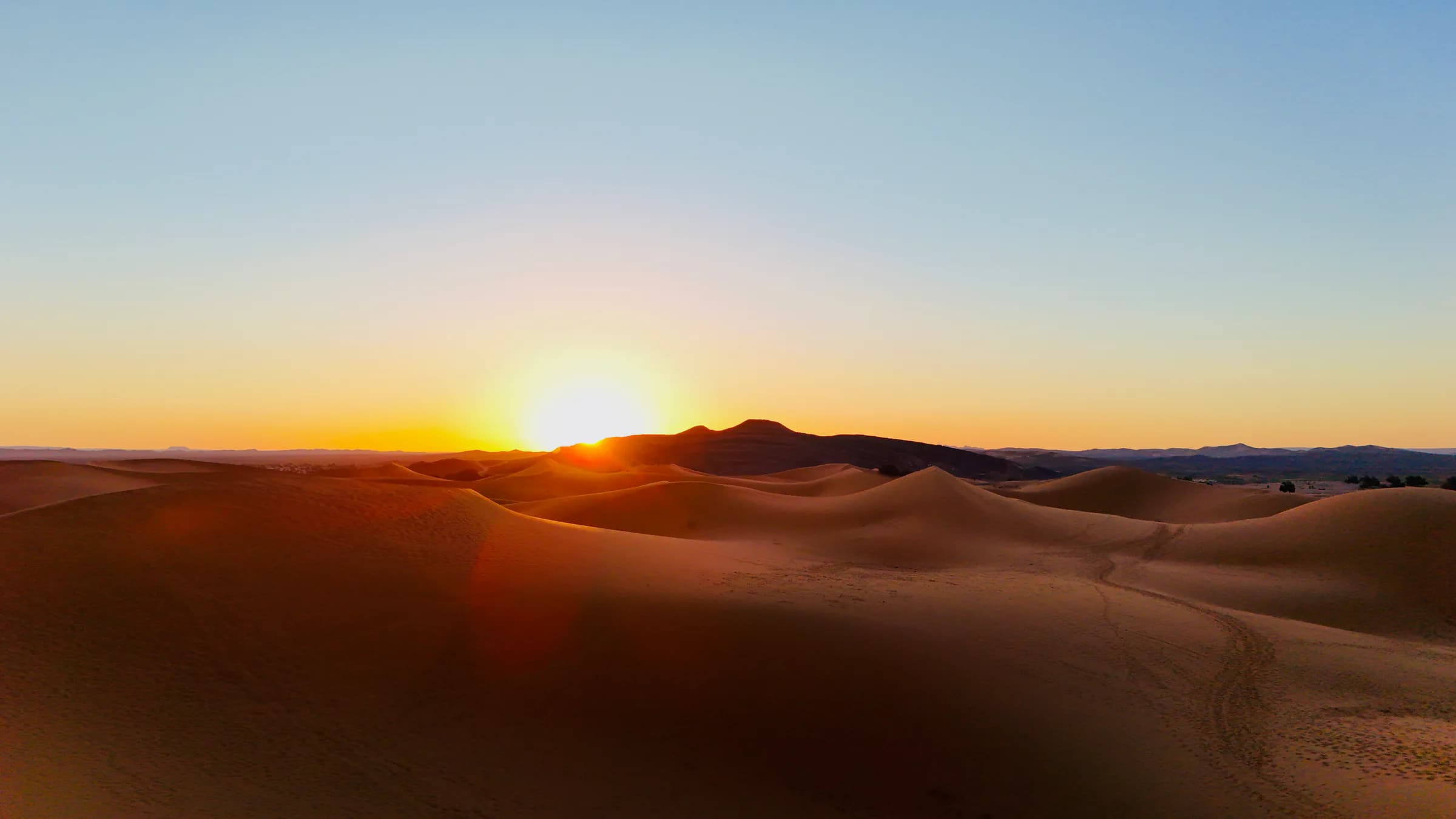
Spring and autumn are the easiest seasons for most travelers. Summer can be extremely hot in Morocco's south, while winter brings cooler days and genuinely cold desert nights.
Quick answer
- Best overall: spring and autumn for a more comfortable balance of daytime and nighttime conditions.
- Summer: possible, but heat becomes the main planning constraint and long road days feel harder.
- Winter: often pleasant in daylight, but nights and early mornings can be cold, especially at camp.
Spring is one of the easiest times to plan
Morocco's National Tourist Office specifically identifies spring as one of the best periods for the Sahara. For a road-based desert tour, that matters because the trip is not only time on the dunes: you also cross inland valleys, plateaus and mountain roads before reaching Merzouga.
Spring generally gives travelers a better chance of avoiding the strongest summer heat while still having long daylight hours. Conditions can still vary sharply from one day to another, so treat the season as a planning advantage rather than a weather guarantee.
Summer makes heat the main decision
The south of Morocco gets very hot in summer. The National Tourist Office notes that temperatures beyond the High Atlas can reach around 38°C on average in summer, and exposed desert conditions can feel harsher than a city forecast suggests.
That does not mean every summer departure is impossible. It means your tolerance for heat, the amount of driving, and how much activity you expect outside the vehicle should influence the decision more than a generic 'best month' list.
Autumn is the other strong all-round choice
Autumn is the second period explicitly recommended for the Sahara by Morocco's National Tourist Office. After peak summer heat, the season usually gives a more manageable balance for road travel, walking stops and time around the dunes.
Early autumn can still be hot. Later autumn brings cooler evenings, so the practical trade-off shifts gradually from heat management toward layering for the night.
Winter is about the day-night contrast
Winter is often attractive for travelers who dislike strong heat, but a desert tour is not warm all the time. Clear inland conditions can produce a large difference between daytime sun and nighttime temperatures.
The practical mistake is packing only for the warmest part of the day. Early departures, sunset, camp evenings and sunrise can all feel much colder than midday.
Weather can change how the road feels
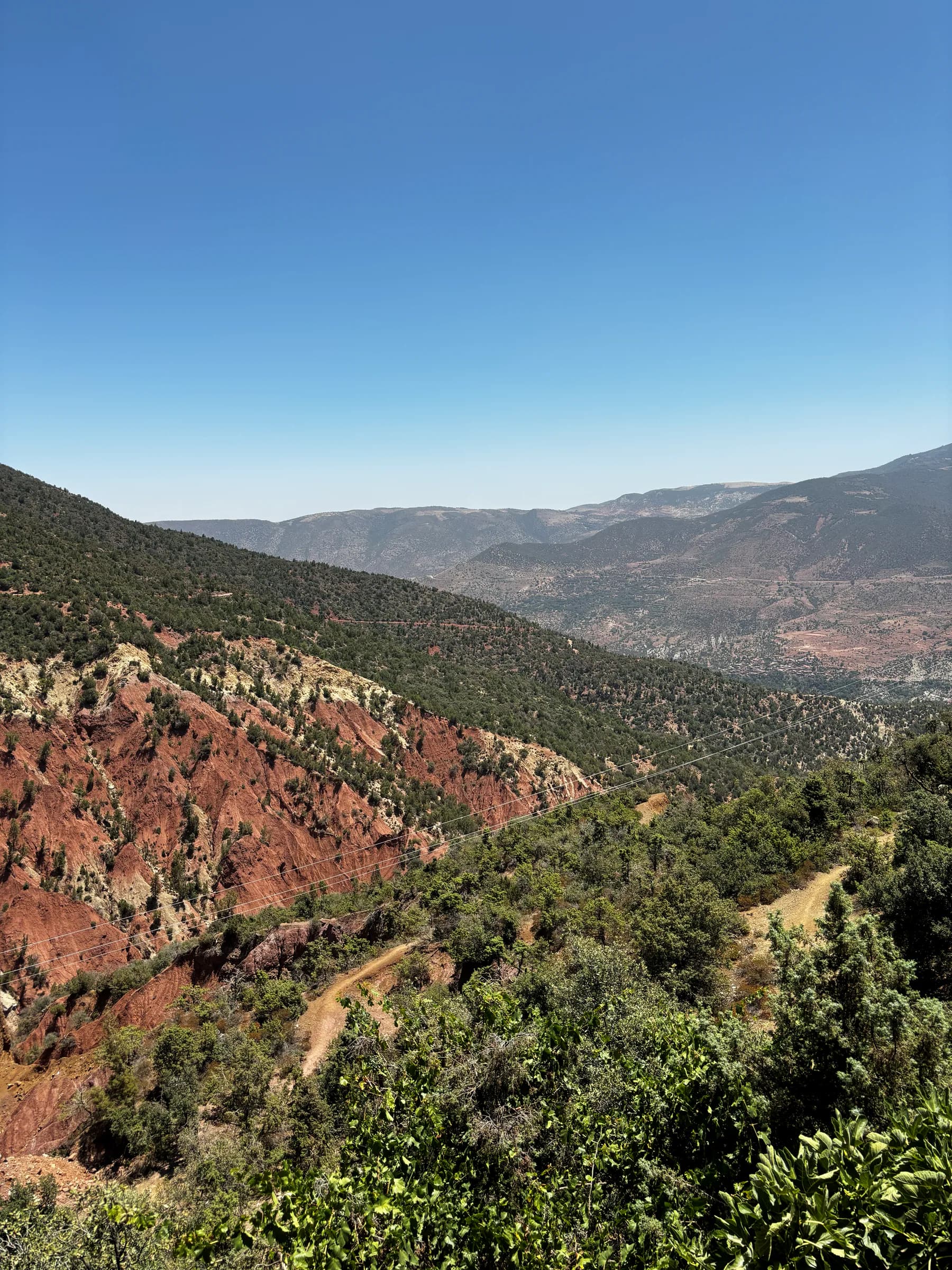
Sahara tours from Marrakech, Fes and Agadir are road journeys before they are desert stays. Hot weather makes long driving days more tiring; winter can bring colder mountain sections; wind, rain or unusual road conditions can affect exact timing in any season.
Choose the season around your comfort limits, then choose the route around your starting city and available time. Do not force a short itinerary simply because the weather looks good.
Choose the route after you choose the season
Quick Morocco's desert collection lets you compare shared routes from Marrakech, Fes and Agadir. Use the route pages for the current duration, endpoint, price and booking details.
Compare Morocco desert tours